
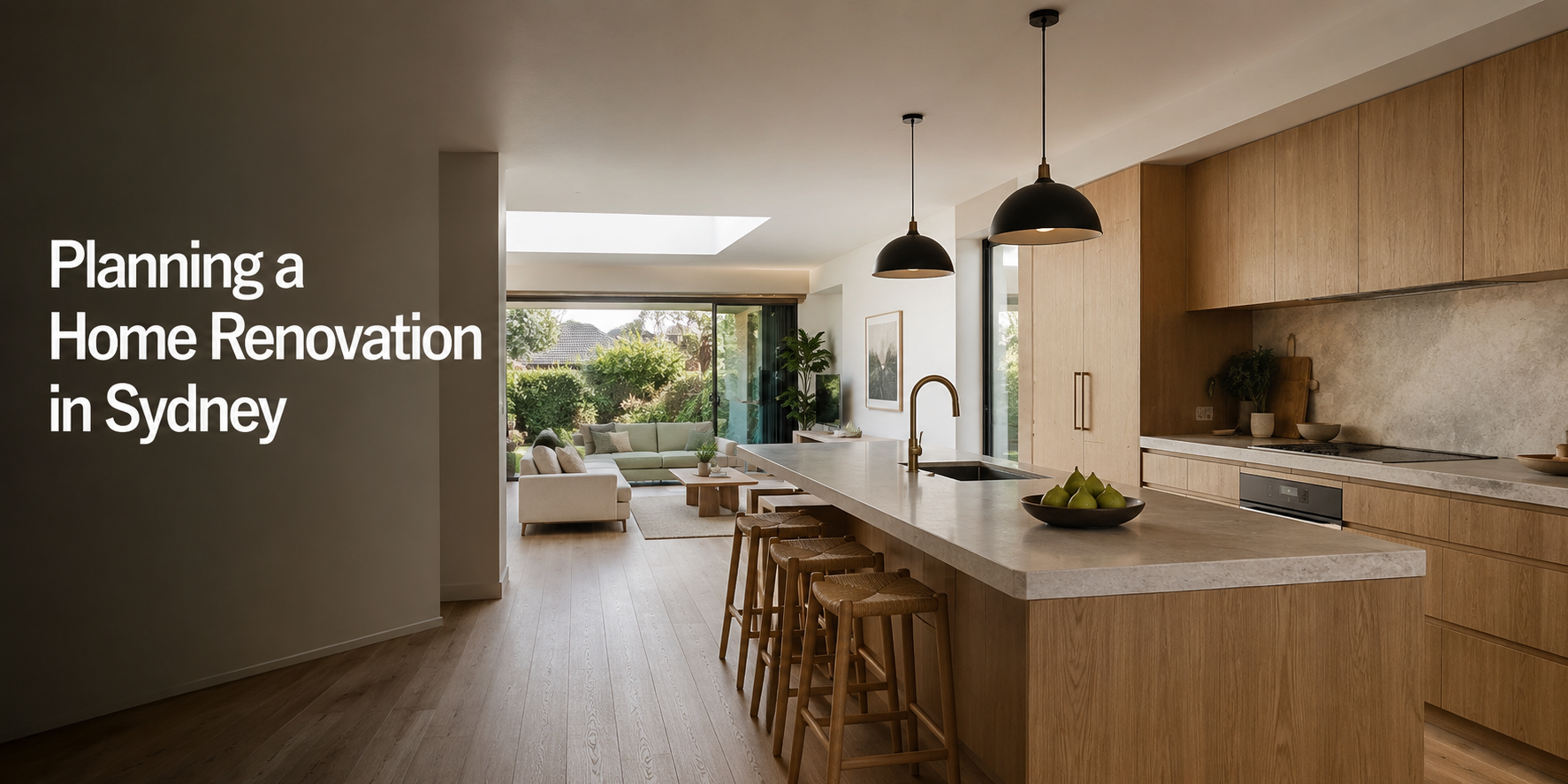
Planning a home renovation in Sydney starts well before anyone removes a cabinet, tile or wall. A strong result begins with a clear brief, realistic priorities and a renovation team that explains the work properly. Whether you want to improve one room or coordinate a larger home upgrade, early decisions can reduce confusion later and help every quote reflect the same scope.
Sydney homes vary widely. An apartment in Parramatta, a family home in Castle Hill and an older property in the Inner West may each bring different access, layout and approval questions. Therefore, the plan must respond to the property as well as the household. These nine steps will help you prepare for a productive first conversation with a renovation builder.
Why Planning a Home Renovation in Sydney Needs a Clear Brief
A renovation brief turns broad ideas into practical requirements. Instead of saying that a kitchen feels dated, for example, explain whether you need more storage, better lighting or easier movement. If a bathroom no longer works, note whether the main issue involves storage, fixtures, ventilation, accessibility or layout.
This detail helps a builder understand your priorities. It also makes early advice and quoting more useful. GoStruction handles bathroom, kitchen, laundry and home renovation work across Sydney, so your brief can cover one room or several connected spaces.
1. Define How You Want the Home to Work
First, focus on daily life rather than finishes. Think about the moments that currently cause frustration. Perhaps two people cannot use the kitchen comfortably, laundry items have no proper storage, or the family bathroom becomes crowded each morning. Write down those problems before you collect design images.
Next, describe what a better result would make possible. You may want clearer kitchen work zones, a laundry bench or living areas that connect naturally. If you are considering a full home renovation, look at how rooms relate to one another.
A practical brief should answer three questions:
- What does not work now?
- Who uses the space, and how?
- What must feel easier after the renovation?
These answers create a functional starting point for planning a home renovation in Sydney. Later, colours and materials can support it.
2. Separate Must-Haves From Nice-to-Haves
Most homeowners begin with more ideas than the final scope can reasonably include. Therefore, divide your list into essentials, preferred upgrades and optional extras. A must-have could involve replacing a failing layout or adding necessary storage. A nice-to-have might be a feature finish that you can adjust if priorities change.
This ranking protects the features that matter most. It also helps the builder suggest alternatives when two choices compete for space or budget. When planning a home renovation in Sydney, this step keeps the discussion focused on real needs.
3. Decide Whether to Renovate One Room or Coordinate Several
Sometimes one room clearly needs attention. In other cases, connected work may benefit from a coordinated plan. A kitchen renovation could affect flooring, lighting and the nearby dining area. Likewise, a bathroom and laundry may share wet-area finishes, plumbing considerations or storage decisions.
Review the whole home before setting the scope. If you expect to renovate another connected area soon, tell the builder. You may still stage the work, but early planning can prevent clashing finishes or repeated work.
For room-specific ideas, review GoStruction’s pages for kitchen renovations in Sydney and bathroom and laundry renovations. This whole-home view supports better decisions when planning a home renovation in Sydney.
4. Check Approvals and Property Constraints Early
Not every renovation follows the same approval path. Some low-impact work may qualify as exempt development, while other alterations may require a complying development certificate or a development application. Apartment owners should also check the NSW strata renovation rules and their scheme’s by-laws.
Because the correct pathway depends on the property and the proposed work, check before committing to the schedule. The NSW Planning Portal’s approval pathways provide a useful official starting point. Your local council, certifier or other qualified adviser can then clarify what applies to your project.
Also identify practical site conditions. Narrow access, limited parking, existing damage or service locations may influence the work. These details matter when planning a home renovation in Sydney.
5. Build a Budget Around the Actual Scope
A useful renovation budget should connect to a defined scope rather than a generic online figure. The size and condition of the space, layout changes, demolition, cabinetry, fixtures, material selections and required trades can all affect a quote. For that reason, two rooms of a similar size may involve very different work.
Set a comfortable overall range, then decide which items offer the greatest household value. In addition, keep a separate allowance for unforeseen conditions or approved changes. That allowance gives you room to respond if the project reveals something the first inspection could not confirm.
Most importantly, avoid choosing a scope solely to reach an arbitrary figure. When planning a home renovation in Sydney, use the agreed scope and household priorities to guide budget decisions.
6. Choose the Direction of Finishes Before Work Starts
When planning a home renovation in Sydney, you do not need every product selected before the first enquiry. However, you should know the general direction you prefer. Save a small group of reference images and note exactly what you like in each one. It might be the cabinet profile, tile scale, colour balance, lighting or the way storage fits into the room.
Keep the collection focused. Conflicting images make a brief harder to interpret. By contrast, a concise set helps the renovation team understand your taste and adapt it to the home.
Then consider maintenance and daily use. A finish should suit how the household cooks, cleans and moves, not just how it looks in a photograph. This balance matters when planning a home renovation in Sydney for long-term use.
7. Compare Detailed Quotes, Not Just Totals
When planning a home renovation in Sydney, remember that a lower total does not always represent the same work. Before comparing quotes, check whether each one covers the same demolition, preparation, fixtures, finishes, trade coordination and clean-up requirements. Also look for clear exclusions and assumptions.
Ask questions whenever wording feels broad. For example, “bathroom renovation” does not explain which fixtures, tile areas or preparation tasks the quote includes. A detailed scope gives everyone a clearer reference point.
GoStruction’s website emphasises clear quoting before work begins, steady communication and quality finishes. You can also view its Sydney renovation project gallery to compare the type of completed work shown with the result you want.
8. Plan for Access, Noise and Daily Disruption
Renovation work affects daily use of the property. Consequently, discuss access and routines before the start date. If the project removes the only bathroom or kitchen from use, ask how the sequence may affect you. Also decide how children, pets and valuable items will stay clear of the work area.
Create a simple household plan that covers:
- access to essential rooms;
- storage for items removed from the work zone;
- parking and delivery access;
- communication during working hours; and
- any dates when the household cannot accommodate noisy or disruptive work.
Timelines can change when the scope changes or materials become unavailable. Therefore, agree on how the builder will communicate updates. Clear communication can stop small uncertainties from becoming larger problems.
9. Choose a Renovation Team That Communicates Clearly
Finally, assess the process as carefully as the portfolio. A builder should ask about the property, the household and the result you want. The quote should explain the scope, and the team should give you a clear way to raise questions as planning develops.
When planning a home renovation in Sydney, check that the builder handles the type of work you need. Review relevant projects, discuss the proposed sequence and confirm what information the team needs from you.
Start Your Sydney Renovation With a Clear Conversation
If you are planning a home renovation in Sydney, GoStruction provides bathroom, kitchen, laundry and home renovation services across Sydney and surrounding suburbs. To discuss your project, send the suburb, photos of the current space and a short description of what you want to change.
Call 0421 942 343 or request a renovation quote. You can also view GoStruction on Google before getting in touch.
Frequently Asked Questions
What should I prepare when planning a home renovation in Sydney?
Prepare photos, your suburb, the problems you want to solve and a rough description of the result. Include plans or a small set of inspiration images if you have them. You do not need to finalise every finish before the first conversation.
Do I need plans before requesting a renovation quote?
Not always. GoStruction says homeowners can start with photos, ideas and a description of the change. Larger layout changes may need more documentation as planning progresses.
How do I compare renovation quotes fairly?
Compare the scope, inclusions, exclusions and material assumptions—not only the total. Ask the builder to clarify broad wording and make sure each quote addresses substantially the same project.
Should I renovate connected rooms at the same time?
It depends on the condition of each room, the connection between spaces and your priorities. Coordinating nearby rooms may create a consistent result. However, a staged plan may suit some households better.
How long does a home renovation take in Sydney?
The timeframe depends on the project size, existing condition, approvals, demolition, material availability and final scope. Ask for the expected sequence after the builder assesses the actual work.
Conclusion
Planning a home renovation in Sydney becomes more manageable when you define the function, rank priorities, confirm the likely scope and compare detailed information. Early decisions about approvals, finishes and household access can also support a clearer path from the first quote to the final result.
Start with the problems you want the renovation to solve. Then share your suburb, photos and ideas with GoStruction so the team can help you understand the next practical step.
